
The Foundation of All Sports: Grip Strength – Series #3: Tennis
Recreational tennis seems to be experiencing a huge boom lately, and the number of recreational players is growing significantly. Along with golf, it is one of the most popular activities, but as the hours of intense training pile up, more and more people are complaining of wrist or elbow pain.
Today, you'll learn about ways to strengthen your wrists so you can prevent injuries and play tennis safely for longer periods of time.

Many factors influence progress in tennis. While experience gained from training and matches is crucial, to improve overall and enjoy the game more, you need to develop several aspects—from choosing the right type of racket and grip to strength, technique, speed, and mental toughness. If you try to hit the ball using only mechanical force, without proper swing technique, weight transfer, and smooth body rotation, you’ll make many mistakes. Your shots will lack power, and you’ll also significantly increase your risk of injury.
The areas where players often complain of pain while playing tennis are the wrists and elbows. Since tennis is a sport in which you hold a racket with your hands and hit the ball over the net, it requires strength in your grip, wrists, shoulders, and arms.

Wrist strength is essential, especially for executing shots effectively. If your grip slips due to a weak wrist the moment your opponent’s ball hits your racket, you won’t be able to win the point. Wrist strength is key to holding the racket firmly without it twisting, which allows you to give the ball the desired trajectory and precisely control your technique.
So what methods are there for strengthening the wrists ?
In fact, the wrist itself is not composed of a single muscle, but is closely connected to the muscles of the forearm, also known as the upper arm. Therefore, the wrist flexors are used when bending the wrist, while the wrist extensors are used when extending the wrist.
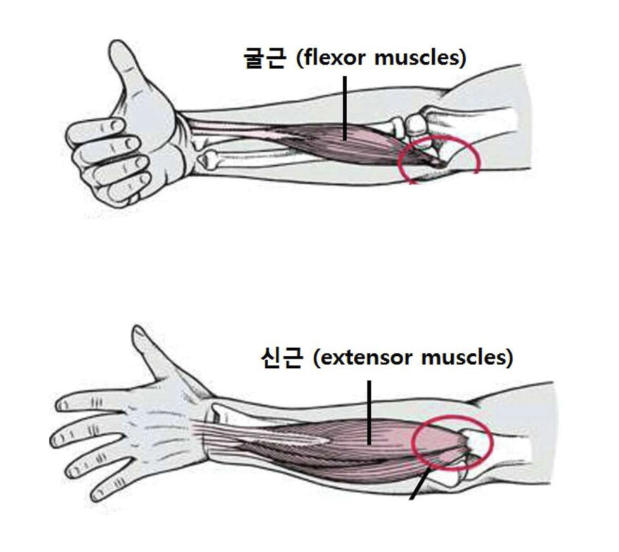
The muscles and tendons extending from the wrist to the elbow are attached to the lower part of the humerus, and this area is called the "epicondyle." Overuse of the arm muscles can cause microscopic tears in the tendons in this area, leading to pain; damage to the outer tendons is known as lateral epicondylitis or tennis elbow. Frequent wrist extension triggers tennis elbow, which likely occurs when the point of contact is delayed or when the wrist twists unnaturally in an attempt to impart spin on the shot.
To prevent elbow injuries, keep the following in mind:
1. Make sure you're using the right racket
There are various types of racquets. They differ in weight, head size, and frame thickness, and the string tension can also be adjusted. While using a lightweight racket with low bounce can improve control, the lack of power will result in a stronger impact on the wrist and elbow. This is especially important for those who experience pain; before use, it is advisable to carefully check whether the racket is suitable for you.

2. Check your posture
It is said that if the point of impact is too far back, it places unnecessary strain on the arm and exerts excessive force. Make sure your center of gravity is forward and that the impact occurs in front of your front foot. During the serve, excessive twisting of the wrists and shoulders to add spin can also cause strain. If you feel pain, you should check whether your swing or stance during the serve needs correction, and practice a stance that does not cause strain.

3. Strength training is absolutely essential
Regular strength training to strengthen your wrists and elbows is very beneficial. Wrist curls with dumbbells or resistance bands are a great choice.
In addition to classic curls with dumbbells or resistance bands, specialized equipment is now available to take your grip strength to the next level:
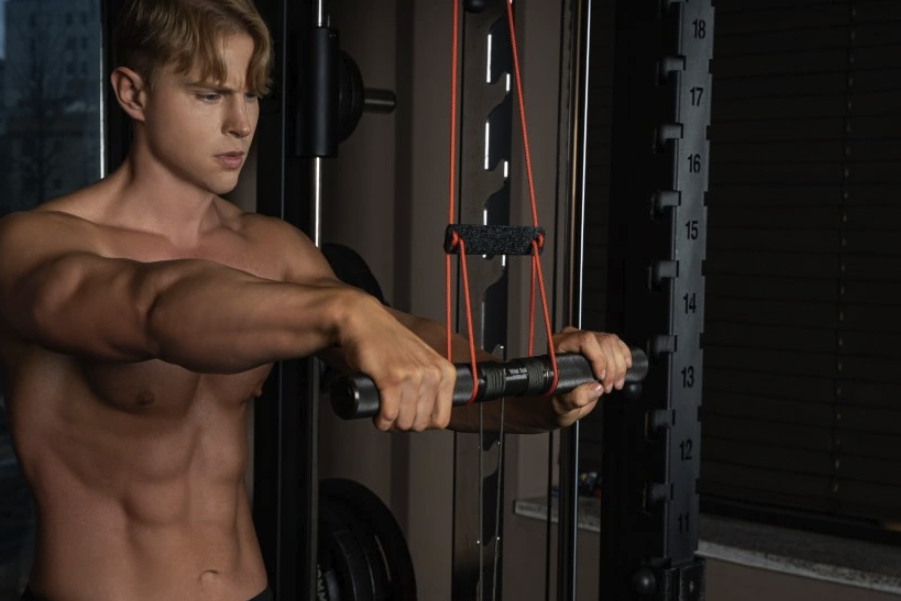
- GD Hanging Wrist Roller is the ideal choice for those who are truly serious about building strength. This hanging system eliminates the biggest drawback of conventional rollers—shoulder fatigue. Since you hang it on a pull-up bar, the entire weight of the load is supported by the structure, allowing you to focus 100% on training your wrists and forearms. Plus, thanks to the weight plates, you can adjust the load precisely to your needs.
(▼Click on the image to see more product information!▼)
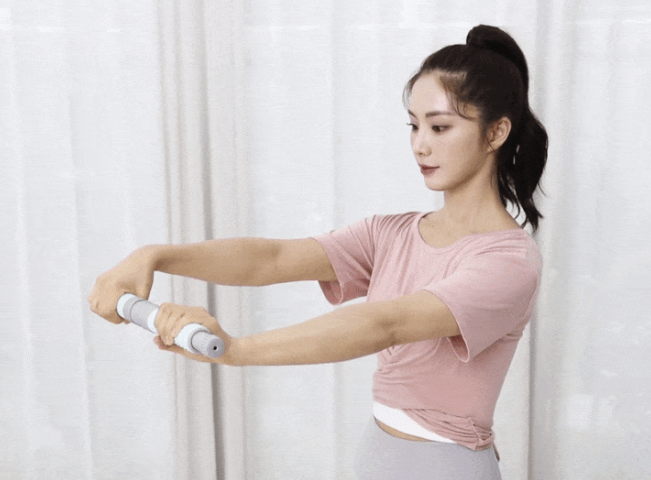
- GD Twist Grip is a great, compact choice. It works on the principle of adjustable resistance, and thanks to the smooth bending and stretching of the wrist, it provides intense stimulation to the forearm muscles virtually anywhere.
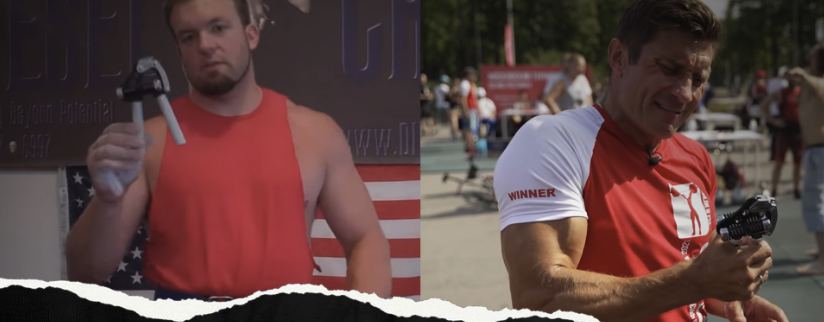
- GD Grip & Finger Strengtheners are the final step toward a perfect tennis grip. In tennis, you hold the racket primarily with your fingers, and their strength determines how steadily you can control the racket during spins or defensive shots. These mechanical strengtheners allow you to train the grip strength of either your entire palm or individual fingers (which eliminates weakness in the ring finger and little finger). They are extremely compact, so you can build grip strength even while in the car or watching TV.
(▼Click on the image to see more product information!▼)
| Tool | Main Tennis Benefit | Best Suited For |
| GD Twist Grip | Racket stability, forearm & elbow protection | At home, in a bag, on the go (no weights needed) |
| GD Hanging Wrist Roller | Maximum forearm strength without shoulder fatigue | Gym, pull-up bar (requires weight plates) |
| GD Hand Grip | Grip firmness, finger control, power in spins | In your pocket, car, finger tendon recovery |
If you build a strong foundation through strength training while mastering proper posture and technique, your skills will improve faster than you think, and you’ll go from a tennis beginner to a champion! GD is rooting for you so you can enjoy a safe tennis life free from injuries. 💪🔥